
When Does Spring Allergy Season Really Start?
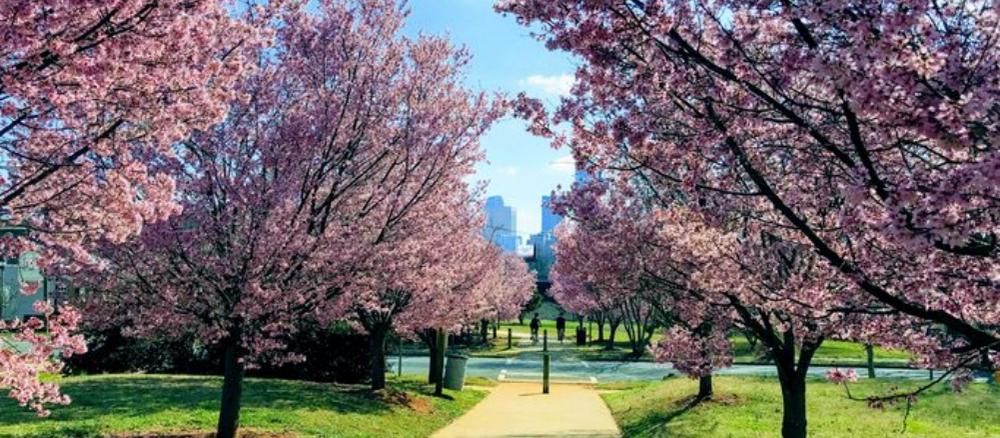
Itchy eyes, sneezing, stuffy nose, and sinus pressure? Charlotte is the perfect storm for spring allergies. The 2026 spring allergy season may feel more noticeable than previous years, with the trees, city pollution and longer warm seasons all contributing to the reason why.
Dr. Bailee Gilchrist recently spoke with WBTV news anchor Kym Anderson about the Charlotte 2026 spring allergy season and how to get ahead of symptoms. Watch the full WBTV interview with Dr. Gilchrist and Kym Anderson here.
A common misconception about the Carolinas is that the start of pollen season is aligned with the first day of spring. Dr. Gilchrist notes that tree pollen season peaks in March, but pollen can start as early as late January in the Charlotte area, “Right now is the height of the tree pollen season. That’s what takes people by surprise when they initially move here. Most people think that allergy and tree pollen season starts in April, but truly here in the Charlotte area, the pollen can start as early as late January.”
For people new to the Queen City, the allergies may feel worse than usual. It takes time before people get sensitized to the allergens in a new area, often making the second or third year of living in this area feel worse than the first.

Dr. Bailee Gilchrist is a North Carolina native herself, moving to Charlotte from a small, rural town in Bertie County. Her desire to improve the standard of life of others, and the lack of quality medical care, contributed significantly to her career goal to become a medical doctor.
She embraces continuous study to improve the quality of life for her patients by providing them the best and most appropriate medical care.
When You Should Take Action
Dr. Gilchrist encourages everyone to be proactive and not wait until your symptoms are unbearable, “I think we see a lot of patients who wait until its too late, and that could be because they’re not aware the pollen season was going to start so early.”
“You really don’t need to wait until spring allergies are bad. It’s useful to see an allergy doctor at any point because we’ll be able to tell you exactly what you’re allergic to. You can have a general idea, maybe you’re allergic to trees and grasses, but if you don’t know the specific species or exactly when that pollen is going to be high, you still might run into trouble,” Dr. Gilchrist points out.
Dr. Gilchrist’s Tips For Minimizing Allergy Symptoms This Spring
- Close Your Windows
- “Keep your windows closed, especially in the morning. That is when the plants are releasing fresh pollen and the pollen count will be the highest.”
- Change Your Air Filters
- “Always making sure that your filters are clean. Changing those out every few months is helpful for both outdoor allergens that readily move inside, and the indoor allergens.”
- Give Your Pets an Extra Bath
- “Even if you’re not allergic to pets, we’re in the height of the pollen season and they’re going to track that pollen inside as well.”
- Shower After Being Outside
- “Make sure you’re showering once you get back home from being outside for an extended period of time.”
- Stay On Top of Allergy Medications
- “There are a lot of over-the-counter options, but your primary care physician or allergy specialist can help guide you and get on the right combination of medicines and timing as well.”